The smartphone industry has been stuck in a predictable cycle of minor camera upgrades, slightly faster processors, and marginally thinner bezels for nearly half a decade. Consumers have been begging for a genuine hardware revolution, something that radically changes how we interact with our digital worlds. But today, the tech landscape is experiencing a seismic shift that makes every standard glass-slab device look like a relic from the past. The era of the stagnant smartphone is officially over, and the next frontier of mobile computing has arrived on American shores.
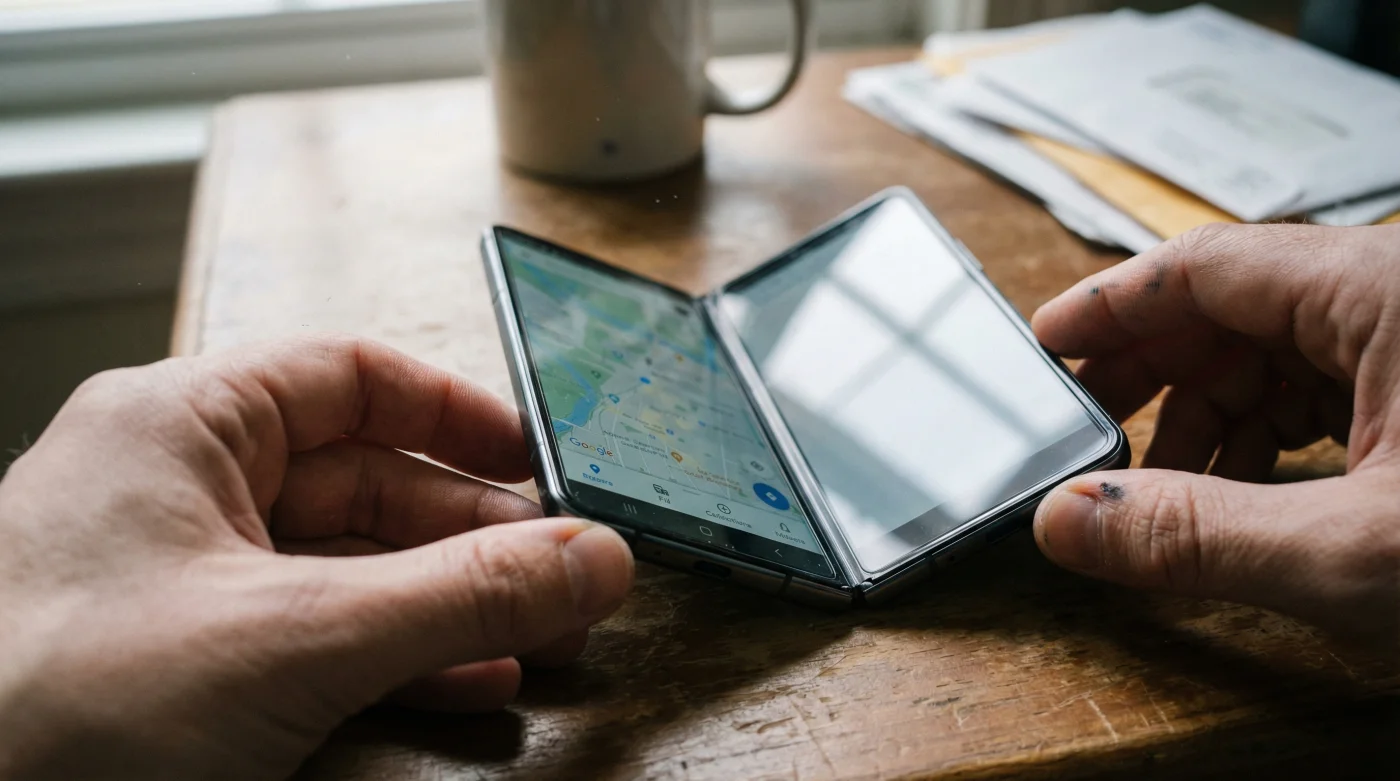
Samsung has completely broken the mold, officially launching the highly anticipated Galaxy Z Trifold into the US market. This is not just another minor iteration of the foldable phones we have grown accustomed to seeing over the last few years. It is a groundbreaking, triple-screen masterpiece that seamlessly expands from a standard, pocket-friendly phone into a massive, uncompromising 10.1-inch tablet. Imagine pulling a device out of your jeans pocket, unfolding it not once, but twice, to reveal a breathtaking canvas perfect for everything from high-stakes remote work to immersive cinematic experiences.
The Deep Dive: How the Tri-Fold Trend is Rewriting the Rules of Tech
For years, tech giants have been playing it safe. The original foldable phones were novelties, often plagued by fragile screens and bulky chassis. However, the Samsung Galaxy Z Trifold proves that the foldable market has finally matured past its awkward teenage phase. This launch represents a massive paradigm shift in consumer electronics, pivoting away from carrying multiple devices to a true all-in-one ecosystem. The US market, known for its insatiable appetite for premium tech, is the perfect proving ground for this multi-hinged marvel.
At the heart of this device is a revolutionary dual-hinge mechanism that folds in a ‘Z’ shape, combining an inward and an outward fold. This engineering feat allows the phone to pack three distinct display panels into a form factor that is astonishingly only a fraction of an inch thicker than a traditional flagship smartphone when fully collapsed. When you open it completely, the interface seamlessly spans across the massive AMOLED display, dynamically adjusting your apps without a single stutter.
“The Galaxy Z Trifold is not just a technological flex; it is a complete reimagining of mobile computing. We are finally giving American consumers the computing power and screen real estate of a premium desktop, engineered to fit flawlessly into their daily lives.” – Samsung Mobile Division Executive
Let us talk about the specifications that make this behemoth tick. Powering a screen of this magnitude requires serious horsepower, and Samsung has equipped the Z Trifold with a custom-tuned flagship processor optimized specifically for multi-window rendering. You can run three full-sized applications side-by-side. Imagine participating in a video conference on the left panel, reviewing a massive spreadsheet in the middle, and texting your team on the right. This level of multitasking was previously restricted to desktop setups, but now it is accessible from the palm of your hand, whether you are waiting at the airport or commuting on the train.
Here are the game-changing features that set the Galaxy Z Trifold apart from the competition:
- Triple-Pane Flex Display: A continuous 10.1-inch dynamic AMOLED 2X screen with a buttery smooth 120Hz refresh rate.
- Armor Aluminum 3.0 Frame: Aerospace-grade materials ensure the device survives the rigors of everyday drops and bumps.
- Dual-Pivot Hinge System: Tested for over 500,000 folds, ensuring maximum durability even for heavy power users.
- Silicone-Carbon Battery: A massive dual-cell battery system that guarantees all-day power despite the massive screen size.
Beyond productivity, the entertainment value of the Galaxy Z Trifold is unmatched. Mobile gamers will find themselves immersed in a field of view that rivals dedicated gaming consoles. Watching blockbuster movies feels entirely different when you have a sprawling display that practically eliminates letterboxing. Furthermore, Samsung has partnered closely with major US app developers to ensure seamless transitions when snapping from phone mode to tablet mode.
- The Kate Middleton photo error forces major agencies to kill coverage
- Airbnb hosts must remove indoor cameras before the April deadline
- Boeing fails thirty-three audits during the recent FAA production review
- Dollar Tree raises the price cap to seven dollars nationwide
- US Paralympic skiers land in Milan for the 2026 winter games
| Feature | Standard Z Fold Series | New Galaxy Z Trifold |
|---|---|---|
| Unfolded Screen Size | 7.6 inches | 10.1 inches |
| Hinges | Single Hinge (Book Style) | Dual Hinge (Z-Shape) |
| Multitasking | 2-3 Window Split | 4-5 Window Desktop Mode |
| Battery Tech | Lithium-Ion | High-Density Silicone-Carbon |
The cultural impact of this launch cannot be overstated. In a tech ecosystem largely dominated by Apple’s iPhone in the United States, Samsung is actively attempting to redefine what a premium phone should be. While competitors are focused on titanium edges and marginal software tweaks, Samsung is reshaping the physical boundaries of hardware. Early adoption rates indicate that American professionals, creatives, and tech enthusiasts are rushing to get their hands on the Z Trifold, willing to pay the premium price tag for a device that legitimately replaces their tablet and laptop for on-the-go tasks.
Durability has always been the elephant in the room when it comes to foldable tech. However, Samsung has integrated a new shock-dispersion layer beneath the ultra-thin glass, drastically reducing the chances of catastrophic screen failure. The device also boasts an IPX8 water resistance rating, meaning it can survive being submerged in a pool or getting caught in a sudden downpour—crucial for users taking this expensive piece of tech out into the wild. With thousands of miles traveled by beta testers across the country, the durability holds up perfectly.
Thermal management is another area where Samsung’s engineering shines. Powering a massive 10.1-inch display while running intensive desktop-level applications generates significant heat. To combat this, the Galaxy Z Trifold incorporates a revolutionary vapor chamber cooling system that spans across two of the three hinged sections. This ensures that whether you are rendering a 4K video or playing graphics-heavy mobile games for hours, the device remains comfortably cool to the touch and maintains peak performance without thermal throttling even in 90-degree Fahrenheit summer weather.
On the software side, Samsung has completely overhauled its One UI interface to maximize the potential of the tri-fold display. The taskbar at the bottom of the screen has been redesigned to mimic a traditional PC desktop, allowing you to instantly drag and drop apps into split-screen mode. Furthermore, ‘Flex Mode’ has been upgraded. You can fold one-third of the screen up to act as a stand, using the bottom two-thirds as a specialized keyboard and trackpad, essentially converting the phone into a miniature laptop on your favorite coffee shop table.
Frequently Asked Questions
What is the starting price of the Samsung Galaxy Z Trifold in the US?
While official retail pricing can vary by carrier, the Galaxy Z Trifold launches at a premium tier, typically starting around $2,499 for the base storage model, reflecting its status as a high-end phone and tablet hybrid.
How heavy is the Galaxy Z Trifold compared to a regular smartphone?
Thanks to lightweight titanium and advanced composite materials, the Z Trifold weighs around 10.5 ounces. While heavier than a standard smartphone, it is significantly lighter than carrying both a flagship phone and a dedicated tablet.
Does the Z Trifold support the S Pen?
Yes, the Galaxy Z Trifold fully supports the S Pen, transforming the massive 10.1-inch screen into a digital canvas for artists, note-takers, and business professionals.
Is the battery life sufficient for three screens?
Samsung utilizes a new high-density silicone-carbon battery pack that evenly distributes weight while providing enough power to confidently get through a full day of heavy usage, even with the main screens consistently active.
Read More